

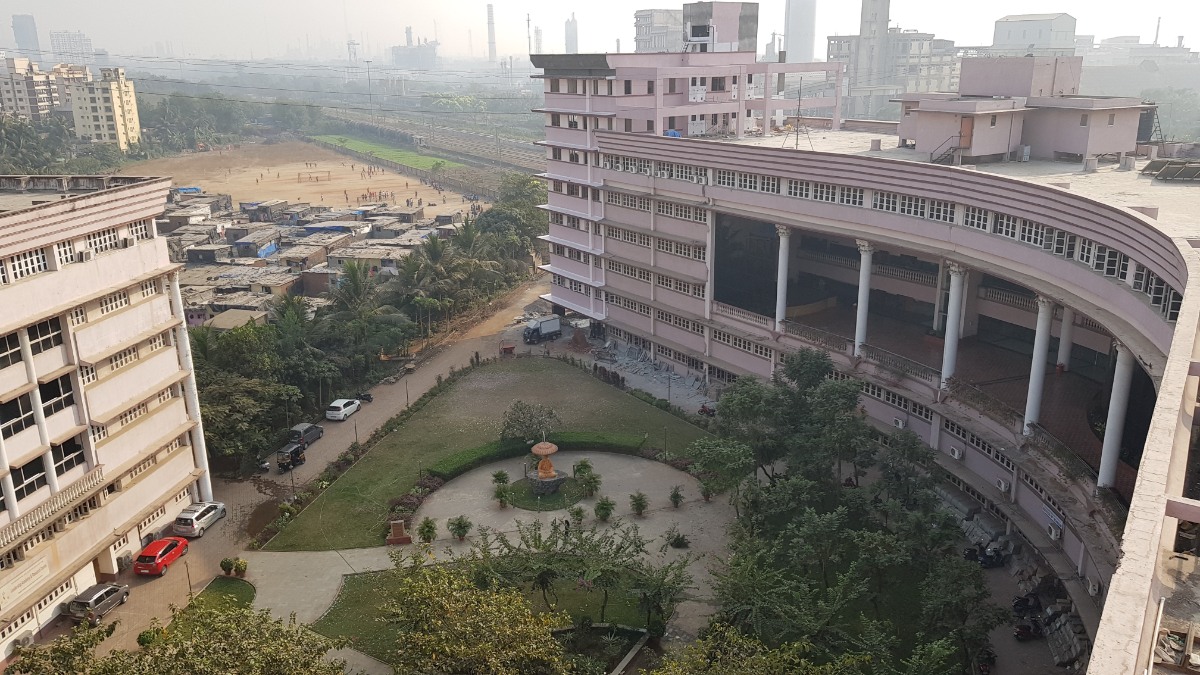
Technical knowledge is only one part of becoming a good architect or designer. Curiosity, observation and the ability to understand people are equally important, shared Dr. (Prof.) Anand Achari, Principal, VES College of Architecture in an exclusive interaction with Kaanchi Chawla of Elets News Network (ENN). Edited excerpts:
How is higher education evolving to prepare students for an increasingly dynamic design and built environment?
The emphasis is increasingly on critical thinking, experimentation and the ability to respond to unfamiliar challenges. At VES College of Architecture, we see our role as giving students a strong foundation while also encouraging them to question, explore and find their own responses to the changing world around them.
What qualities distinguish successful architecture and interior design graduates beyond academic excellence?
Technical knowledge is only one part of becoming a good architect or designer. Curiosity, observation and the ability to understand people are equally important. I would also place communication and collaboration very high on that list because no meaningful project is created in isolation.
Over time, what distinguishes a successful graduate is the willingness to listen, accept criticism and keep improving. The profession rewards people who remain open-minded and continue learning long after they leave college.
Why is experiential learning becoming essential in architecture, interior design, and diploma education?
There is a difference between knowing how something should work and actually experiencing how it works. A site visit, a material workshop or even building a physical model can teach students things that a textbook cannot.
These experiences help them understand scale, materials, construction, people and the practical consequences of their decisions. More importantly, they learn to deal with constraints and unexpected situations. That is where education begins to resemble the realities of the profession.
How can institutions bridge the gap between classroom learning and industry expectations?
The answer is to make the connection with practice continuous. Internships are important, but students should not encounter the professional world for the first time during an internship.
This is why we place importance on interactions with practitioners, site visits, live assignments, lectures and mentorship. These experiences bring current industry perspectives into the academic environment and help students understand how their learning translates into practice. At the same time, professionals benefit from engaging with emerging ideas and fresh perspectives from young designers. That two-way exchange is what makes academia-industry collaboration meaningful.
How does multidisciplinary learning strengthen architecture and interior design education?
The built environment itself is multidisciplinary, so design education should reflect that reality. When students engage with different disciplines, they begin to understand how design, technology, sustainability, engineering and social considerations influence one another.
It also changes the way they approach problems. Instead of looking for a single solution, they learn to consider multiple perspectives and develop responses that are creative as well as practical and relevant. This ability to collaborate and think across disciplines is increasingly important in professional practice.
What role does the M.Arch programme play in helping architects develop specialized expertise and leadership skills?
A M.Arch. Programme helps generalists into specialized leaders, and speeds up career advancement. Architects become experts in technical fields like Landscape Architecture, Urban Design, and Sustainable Architecture through sophisticated studios and research. By requiring students to oversee challenging, multidisciplinary projects, the curriculum develops vital leadership abilities.
Architects acquire the skills necessary to collaborate with engineers and stakeholders, defend design decisions, and present ideas. An M.Arch. degree offers the credentials and strategic thinking required to lead creative projects, manage design firms, and influence the built environment of the future by pushing boundaries beyond undergraduate fundamentals.
How do diploma programmes help students build strong foundations for careers in architecture and design?
Diploma education can give young learners an early understanding of whether architecture and design are the right fit for them. Our diploma pathways allow students to begin building that foundation after Class 10, rather than waiting until undergraduate education.
The value is not only in learning technical skills early. Students become familiar with the discipline, tools and processes involved, while gaining a clearer understanding of the profession. For those who subsequently pursue B.Arch or other higher studies, this early grounding can give them greater confidence and a stronger starting point for their careers.