
Across Indian cities, redevelopment is rapidly changing the built environment. Older structures are frequently replaced by newer ones, raising a question that architects are increasingly being forced to confront: is demolition always the most practical route to urban renewal? One alternative is adaptive reuse, where existing buildings are modified to accommodate new functions. The approach can preserve structural resources while reducing construction waste and the demand for new materials.
More importantly, it allows buildings to remain part of the urban landscape while responding to contemporary requirements. Existing structures also offer architects a different kind of de sign challenge. Unlike a vac ant site, they come with established proportions, materials, circulation patterns and structural systems. Working within these conditions can produce interventions that combine older architectural elements with modern requirements. Mumbai’s Lower Parel illustrates this transition. Once a major textile-mill district, the neighbourhood underwent significant change following the decline of the city’s mill industry.
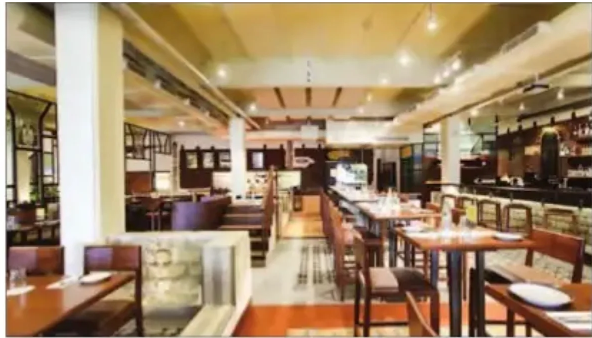
Former industrial premises, including Kamala Mills, were adapted for commercial and leisure uses, housing offices, restaurants, media establishments and entertainment spaces. The transformation reflects a broader shift in how some urban spaces are being approached. An industrial building does not necessarily have to retain its original function to remain useful. Its existing scale and character can become part of a new architectural programme. This approach does not eliminate the need for demolition. Buildings that are structurally unsafe, severely deteriorated or unsuitable for adaptation may require replacement.