
The five-year B.Arch programme remains valuable despite the lure of short-term courses. Technologies like AI, VR, and AR have transformed architectural education, providing essential skills. Practical experience and industry exposure prepare students for real-world challenges, while a focus on sustainability is crucial for addressing global issues.
While short-term skill courses promise quick placements, architecture remains a field that demands deep, comprehensive learning. This raises the question — Is traditional five-year B.Arch programme still relevant?
Architecture is not merely about designing buildings; it’s about creating environments that shape the way we live, work, and interact with the world. The field is undergoing a transformation, with global architecture services projected to grow at a CAGR of 4.2% by 2027. Meanwhile, the demand for sustainable and energy-efficient designs has never been higher, especially as urban areas are expected to house nearly 68% of the world’s population by 2050.
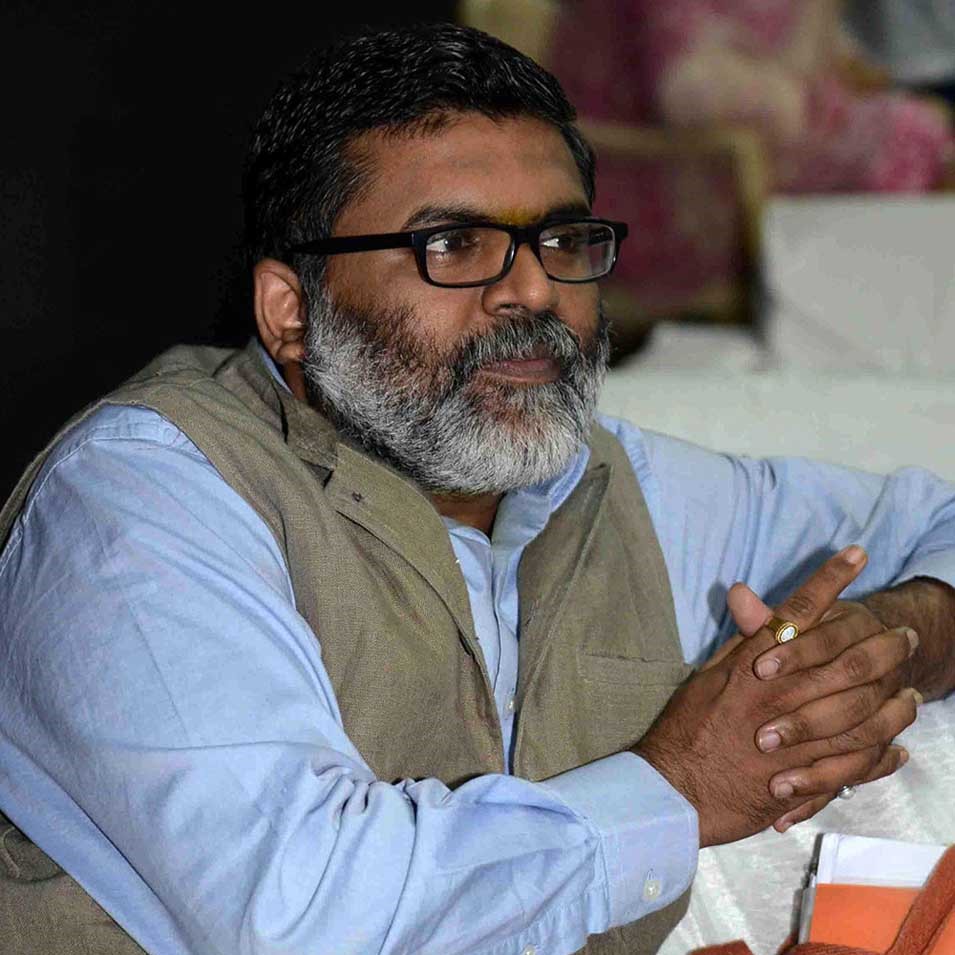
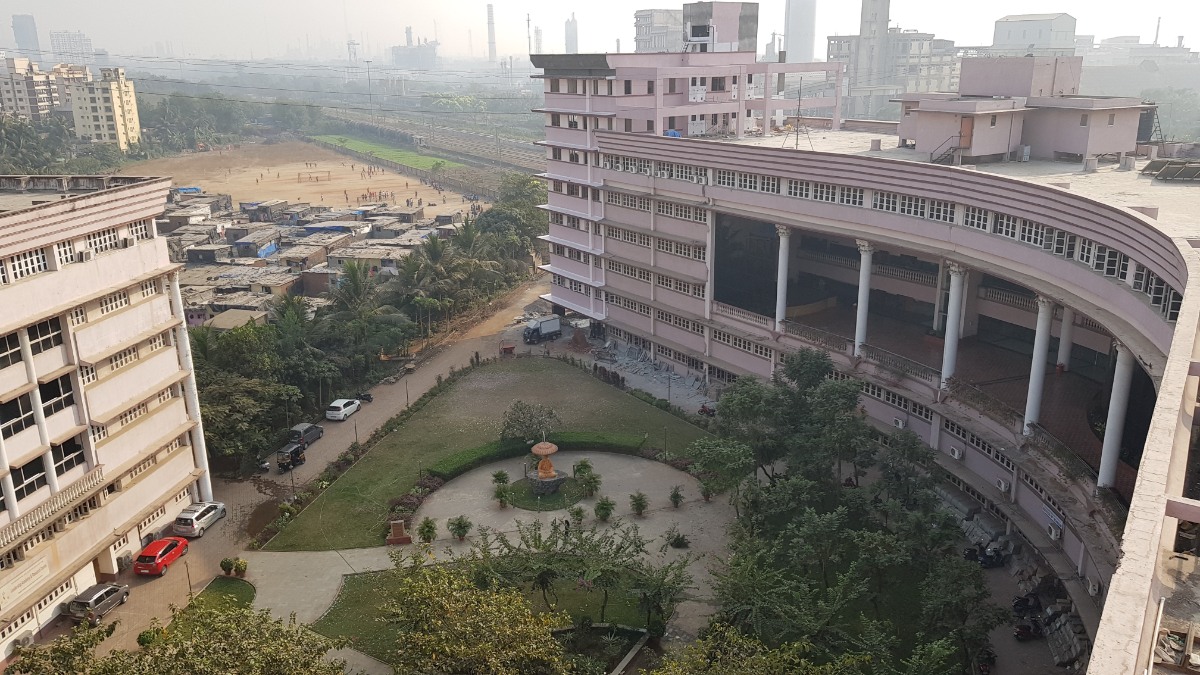
To dive into this and more, we spoke with Dr. Prof Anand Achari, Principal of VES College of Architecture (VESCOA). Dr. Acheri shared his insights on the enduring value of a B.Arch degree, the integration of cutting-edge technologies like AI, VR, and AR into the curriculum, and the vital role architects play in addressing global challenges such as climate change and urbanisation.
In a rapidly changing world, do you believe committing to a five-year B.Arch programme is worthwhile, considering students can enrol in short-term courses and secure good placements?
In today’s fast-moving world, committing to a five-year B.Arch programme is still incredibly valuable, even with the appeal of short-term skill courses. Architecture is a complex field that blends art, science, and technology, demanding a thorough and well-rounded education. The B.Arch programme offers this through rigorous coursework, hands-on design studios, and real-world projects, helping students develop critical thinking, creativity, and problem-solving skills.
While short-term courses may lead to quick job placements, they often lack the depth needed for long-term success in architecture. The B.Arch programme prepares students for diverse roles within the field and beyond, such as urban design and interior architecture. It also lays a strong foundation for lifelong learning and career growth.
Ultimately, the five-year commitment to a B.Arch degree equips students with the skills and knowledge needed to thrive in a demanding profession, making it a worthwhile investment for those passionate about shaping the built environment.
Given that architecture heavily relies on visualisation and design, how have technologies like AI, VR, and AR transformed the design curriculum?
At VESCOA, we follow a comprehensive approach to this. We emphasise a balance between theoretical knowledge and hands-on experience throughout the curriculum. Our students participate in various practical projects, workshops, and internships that mimic real-world scenarios, equipping them with essential skills and experience.
We also work closely with industry professionals, bringing in guest lecturers, arranging site visits, and facilitating mentorship programmes. This direct industry exposure helps students understand current trends and practices. Additionally, we incorporate the latest tools and technologies used in the profession, ensuring students are proficient with modern design software and techniques. Our focus on interdisciplinary learning, sustainability, and innovation further prepares students to tackle contemporary challenges in architecture. By fostering critical thinking, creativity, and technical proficiency, we ensure our graduates are ready to meet the practical demands of the architecture profession from day one.
Technologies like AI, VR, and AR have dramatically changed how architecture is taught, making it more dynamic and engaging. AI helps streamline design processes, sparking innovative solutions and analysing large datasets to guide design choices. VR and AR create immersive experiences, letting students explore and interact with their designs in a virtual space, giving them a better grasp of spatial relationships and the impact of their designs.
These tools enable real-time collaboration and feedback, making the design process more interactive and efficient. They also help students visualise complex structures and scenarios that are hard to understand with traditional methods. By integrating AI, VR, and AR into the curriculum, we ensure that students are well-versed in the latest tools and techniques, ready to meet the evolving demands of the architecture profession.
How do you ensure that students are prepared for the practical demands of the architecture profession upon graduation?
At VESCOA, we follow a comprehensive approach to this. We emphasise a balance between theoretical knowledge and hands-on experience throughout the curriculum. Our students participate in various practical projects, workshops, and internships that mimic real-world scenarios, equipping them with essential skills and experience.
We also work closely with industry professionals, bringing in guest lecturers, arranging site visits, and facilitating mentorship programmes. This direct industry exposure helps students understand current trends and practices. Additionally, we incorporate the latest tools and technologies used in the profession, ensuring students are proficient with modern design software and techniques. Our focus on interdisciplinary learning, sustainability, and innovation further prepares students to tackle contemporary challenges in architecture. By fostering critical thinking, creativity, and technical proficiency, we ensure our graduates are ready to meet the practical demands of the architecture profession from day one.