
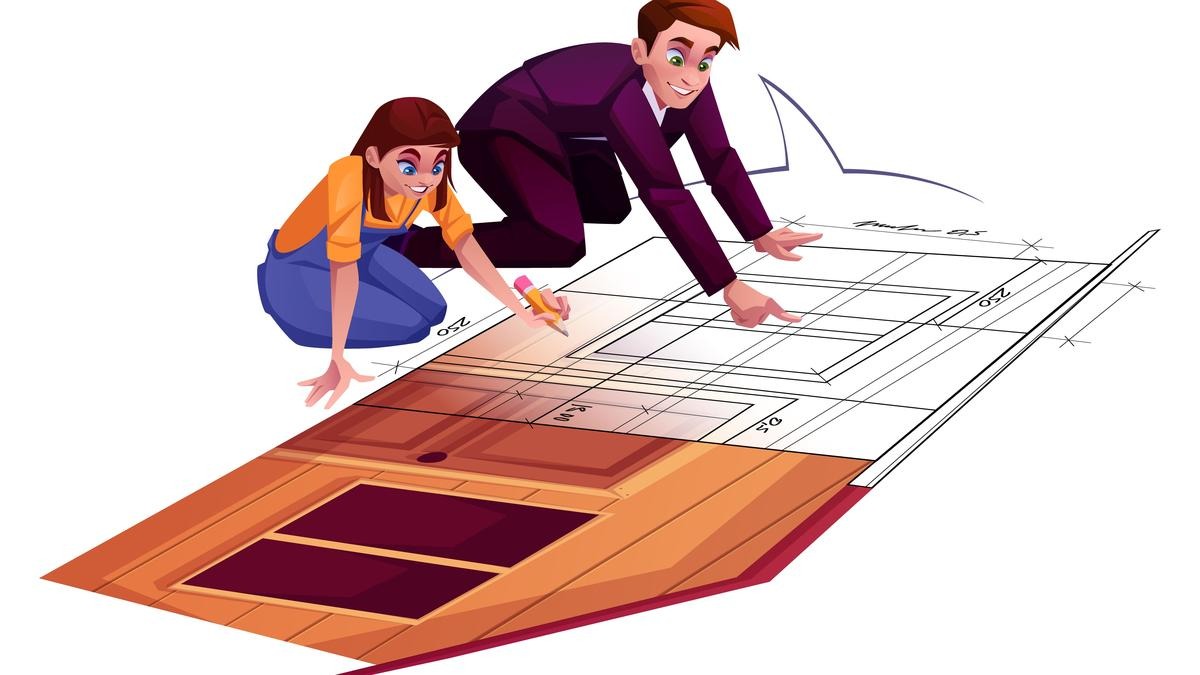
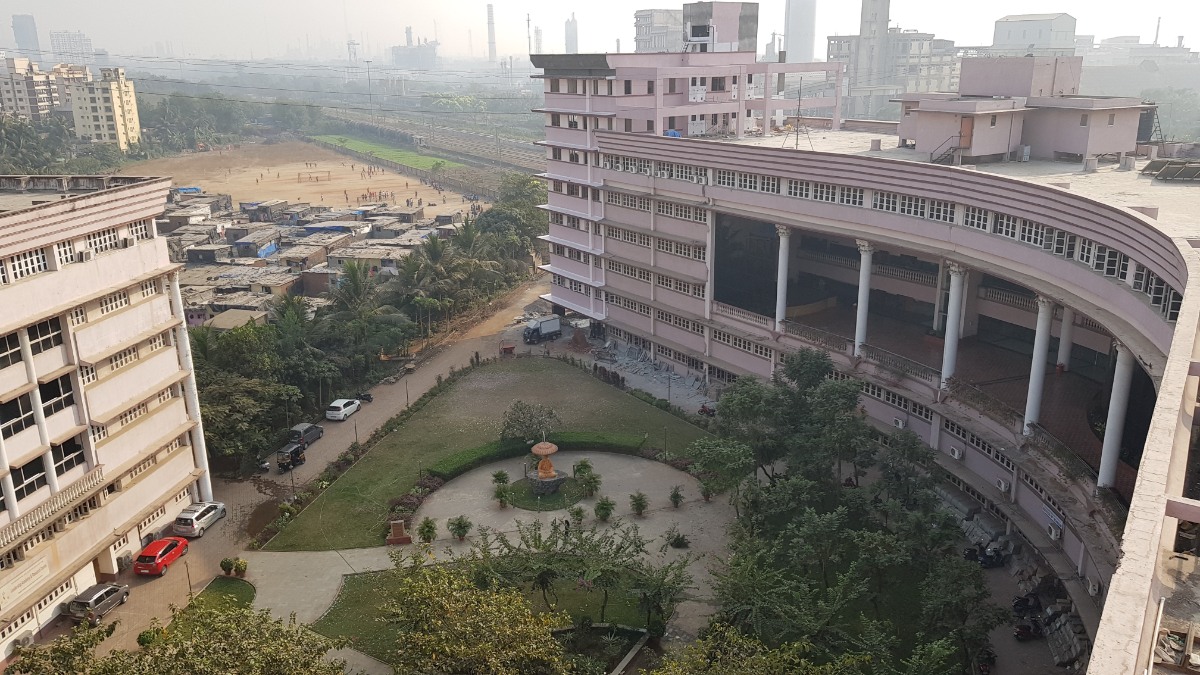
The importance of design and spatial problem-solving in Architecture education is undeniable. While traditional methods like lectures and textbooks offer a valuable foundation, practical experience plays a crucial role in developing true proficiency. This is where experiential learning steps in. An active participation creates a deeper connection with the built environment. Students transform from passive learners to engaged participants, actively analysing concepts, experimenting with solutions, and translating theories into tangible realities.
The need for experiential learning becomes even clearer when we consider Architecture’s unique nature. It demands the ability to translate abstract ideas into functional spaces that meet real-world needs. Textbooks have limitations and can’t replicate the complexities of building codes, the behaviour of materials under varying conditions, or the subtle nuances of user experience within a built environment. Experiential learning bridges this gap by immersing students in practical challenges, preparing them to tackle the profession’s real-world demands. The four key components of learning in architecture are: